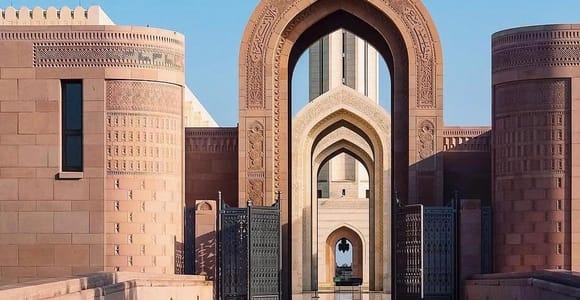
Visiting Muscat during Ramadan: what is open and what changes?
5 min read
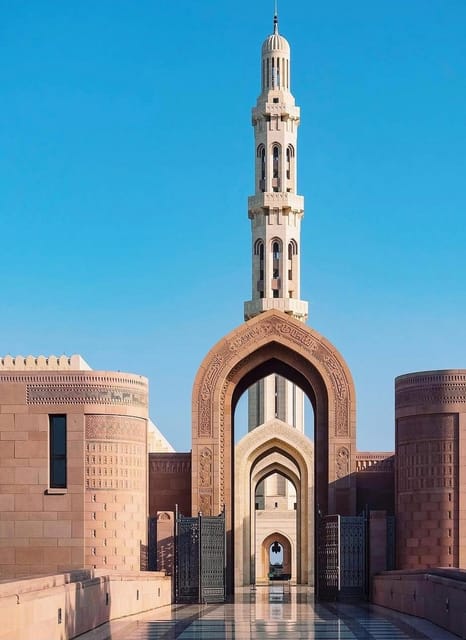
Yes, Muscat is worth visiting during Ramadan, but plan sightseeing for the morning and treat every ordinary timetable as provisional. For a first visit, the Muscat: Guided City Sightseeing Tour – Morning & Evening is the simplest choice because its four-and-a-half-hour format covers the Grand Mosque, Royal Opera House, Al Alam Palace, Mutrah Souq and Old Muscat. It costs €46.40 per person and is rated 4.8 from 351 reviews. Confirm that the selected departure operates during Ramadan before booking. On Fridays the Grand Mosque and Royal Opera House are closed, and the booking page says the tour then visits them from the outside only. If your priority is cafés and an unhurried lunch, Ramadan is not the easiest time to make a daytime city tour work.
See Ramadan dates and availability for the Guided City Sightseeing Tour
The rule visitors need to know
Oman’s Foreign Ministry states that eating, drinking and smoking in public during daylight hours in Ramadan are forbidden for Muslims and non-Muslims. That is the useful boundary: it is not a request that visitors fast, but it does rule out drinking water while walking along the Corniche or eating a snack in a public place.
Hotels may make private arrangements for their guests, and some restaurants can receive permission to serve non-Muslims during the day. Availability is not uniform. Ask your hotel where breakfast and lunch are served and whether the area is screened or private. Do not build the day around finding an open café by chance.
What happens to opening hours
Ramadan hours are announced locally and can differ from normal schedules. Museums, shops and public offices may shorten daytime service, close between shifts or open later into the evening. Tour departures can move as well. Check the attraction’s own channel and the booking page close to your visit; last year’s Ramadan timetable is not a reliable promise for the next one.
The Grand Mosque remains a place of worship, not merely a sightseeing stop. Visitor access, dress rules and prayer activity deserve particular respect throughout the month. The mosque normally admits non-Muslim visitors only on Saturday to Thursday mornings, so an evening departure will not take you inside; the tour itself requires shoulders and knees to be covered, does not allow shorts and asks women to wear a headscarf in the mosque. A morning tour is usually the sensible framework, but the operator must confirm the actual itinerary for your date.
Build the day around two different moods
Before sunset, Muscat is quieter. Use the cooler morning for the main sights, return to the hotel during the slower afternoon and avoid eating or drinking in public. Carry water for private use where permitted, but do not take a casual sip on the street.
After sunset, the rhythm changes. Iftar brings families together, restaurants become busy and Mutrah can feel far livelier than it did a few hours earlier. Visitors can enjoy that atmosphere without treating it as a spectacle: give people time to break their fast, expect the first restaurant seating to be busy and dress conservatively. Alcohol availability may be more limited than usual, so check directly with a licensed hotel rather than assuming normal service.
When this tour is the wrong choice
Do not book the standard circuit if its departure overlaps a changed opening time or if the operator cannot explain which interiors will actually be visited. A list of landmarks can still be technically correct when most stops are exterior views. Families who need frequent food and drink breaks may prefer a private vehicle and a shorter route, with a confirmed private place for breaks.
Our recommendation
For a first morning in the city, book the Guided City Sightseeing Tour for a morning departure that is not on a Friday, and only after the operator confirms the Ramadan departure and accessible interiors for your date. It gives useful structure when ordinary hours are shifting. Leave the afternoon empty, then return to Mutrah after iftar: Ramadan Muscat makes most sense when you follow its daily rhythm instead of trying to preserve a normal holiday timetable.